
How to Tell the Difference Between Ear Pressure and Ear Infections
If you live in Alexandria, planes heading into Reagan National are a
By: admin | December 21, 2025
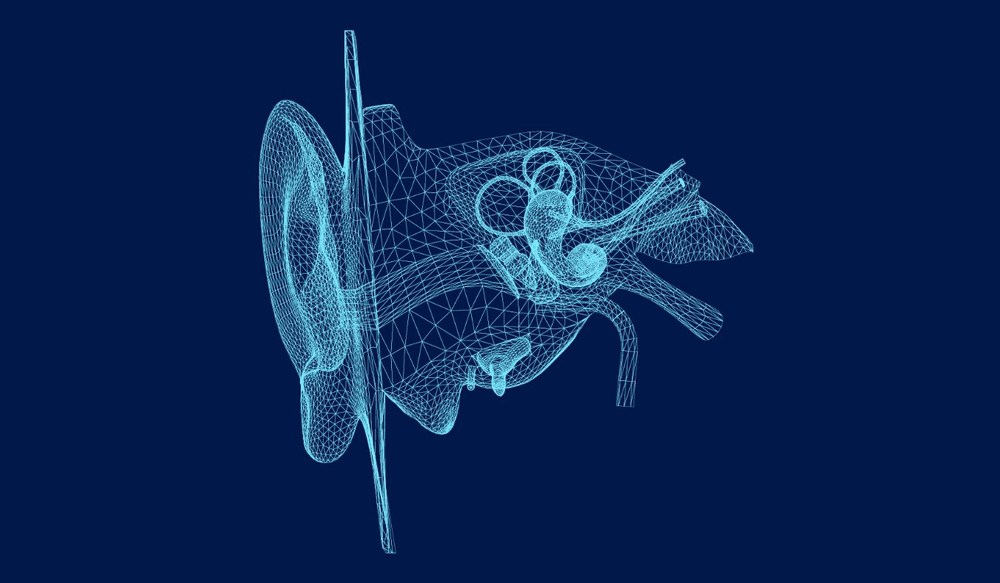
Meniere’s disease is a condition that affects the inner ear, often leading to unexpected changes in balance and hearing. These symptoms can come on suddenly, which may make daily tasks harder to manage and leave some people unsure about what’s happening. Although it can be frustrating to deal with, especially when it disrupts routines, learning more about the condition can be helpful. An audiologists can talk with you about basics of Meniere’s disease, including what it is, how it shows up and what options are available for managing it. Understanding the condition can help you feel more prepared to handle its effects and make informed choices about your health moving forward.
Meniere’s disease is a condition that affects the inner ear, which plays a key role in both hearing and balance. It’s often linked to a buildup of fluid in the inner ear that can cause a mix of symptoms, including dizziness, a sense of pressure or fullness in one ear, ringing in the ear and temporary hearing changes. These symptoms may come and go without warning, sometimes making daily activities feel less predictable. However, many people learn to adjust to the rhythm of these episodes over time.
The condition usually affects one ear and is more common in adults between the ages of 40 and 60, though it can develop at other ages as well. Meniere’s disease doesn’t look the same for everyone – some might experience occasional symptoms, while others may deal with them more regularly. Although it can be disruptive at times, understanding how the condition works is a helpful first step in finding ways to treating it.
Inside your inner ear is an area called the labyrinth, which is responsible for both hearing and balance. It holds fluid that moves as you move, helping your brain understand your body’s position in space. In people with Meniere’s disease, this system can become disrupted when there’s too much fluid in the labyrinth. This extra fluid puts pressure on the sensory cells that send signals to your brain, making it harder for your body to process sound and movement the way it normally would.
When these signals are affected, it can lead to symptoms like dizziness, a spinning sensation or hearing changes. The exact reason why this fluid builds up isn’t fully understood, but it may be linked to circulation problems, allergies or even your body’s immune system. Some researchers believe a mix of factors contributes to why and when symptoms appear. While the cause may not always be clear, learning more about how this part of the inner ear works can help explain why Meniere’s disease affects people the way it does.
Meniere’s disease can show up in different ways, but one of the most noticeable signs is sudden dizziness or vertigo. These episodes may come on without warning and can last anywhere from a few minutes to several hours. During these times, it might feel like the room is spinning, even if you’re sitting still. This spinning sensation can make it hard to walk or focus, and it often comes with nausea or a need to lie down until it passes.
Another common symptom is hearing changes, which can feel different from person to person. Some people notice a drop in hearing in one ear, especially during or right after a vertigo episode. You might also hear a low-pitched ringing or buzzing sound, known as tinnitus. These hearing shifts can come and go or become more noticeable over time, making it harder to follow conversations or listen to music clearly.
Many people with Meniere’s disease also describe a feeling of fullness or pressure in the affected ear. These symptoms often appear together, but not always at once, which can make the condition hard to recognize early on. Paying attention to how often they occur and how long they last can be helpful when discussing concerns with an audiologist
Meniere’s disease can bring changes that may require adjusting how some daily tasks are approached. For example, occasional dizziness or balance concerns might encourage someone to plan ahead when going out or choose calmer environments for activities. Taking extra care while walking or scheduling rest into the day can help maintain comfort and confidence. While it may take some experimenting, many people find ways to continue doing the things they enjoy, just with a few practical adjustments.
Changes in hearing from Meniere’s disease can also shape how people communicate in everyday situations. In places with a lot of background noise, following conversations might take more effort, but strategies like facing the speaker or choosing quieter spaces can help. With some thoughtful planning, it’s possible to stay engaged in social settings and maintain strong connections with others. Many people find that these small shifts allow them to stay active and involved without feeling limited.
Diagnosing Meniere’s disease typically begins with a thorough review of a person’s symptoms and medical history. Because the symptoms can vary and sometimes resemble other conditions, an audiologist plays an important role in helping to identify the problem. They will ask detailed questions about hearing changes, dizziness and episodes of balance problems to get a clearer picture. This information helps your audiologist understand whether Meniere’s disease might be the cause or if other factors should be considered.
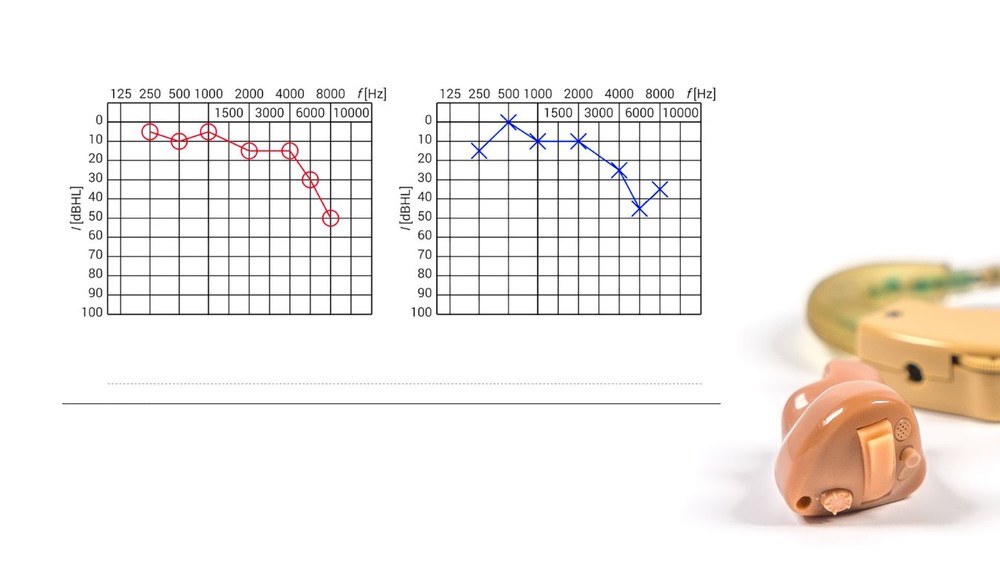
In addition to discussing symptoms, your audiologist will often conduct hearing tests to assess how well each ear is functioning. These tests help reveal any hearing loss patterns that are common with Meniere’s disease. While the diagnosis is based mostly on symptoms and test results, it’s a process that involves careful evaluation over time. This approach allows your audiologist to monitor any changes and work with the individual on managing their condition effectively.
Treatments for Meniere’s disease often focus on managing the hearing loss that comes with the condition. Audiologists play an important role by recommending hearing aids designed to address the specific patterns of hearing loss caused by Meniere’s. These devices can amplify sounds in a way that suits fluctuating hearing levels, helping individuals maintain clearer communication. Since hearing loss in Meniere’s can change over time, audiologists frequently adjust hearing aids to ensure they continue to meet your individual needs. This ongoing support helps reduce the challenges of hearing difficulties and improves everyday interactions.
Beyond hearing aids, therapies aimed at balance and dizziness are a key part of treatment. Vestibular rehabilitation therapy, for example, uses targeted exercises to retrain the brain and improve balance control. These exercises focus on helping the brain interpret signals from the inner ear more accurately, which can ease the feelings of vertigo and instability. Patients often work with audiologists who guide them through specific routines designed to strengthen balance and reduce dizziness during daily activities. This therapy can make a noticeable difference in how well someone manages their symptoms.
In some cases, assistive listening technologies may be recommended to complement hearing aids. These tools can help improve hearing in noisy environments or when distance makes communication difficult. Audiologists assess each person’s unique hearing profile to suggest the best combination of devices and support. By carefully monitoring changes in hearing and balance, audiologists help patients adjust their treatment plans over time, aiming to maintain the best possible hearing and quality of life.
Making certain lifestyle changes can play an important role in managing Meniere’s disease. For many people, reducing salt intake helps control the amount of fluid buildup in the inner ear, which can lessen symptoms like dizziness and hearing changes. Staying well hydrated is also helpful, as it supports overall body balance and can reduce the severity of episodes. Regular exercise encourages better circulation and can improve balance, which many find beneficial when coping with Meniere’s symptoms.
In addition to diet and exercise, managing stress is often an important part of feeling better. Activities like meditation, yoga or deep breathing exercises can promote relaxation and support mental health. Finding ways to stay calm and reduce anxiety may make it easier to handle the unpredictable nature of the condition. These lifestyle adjustments don’t cure Meniere’s, but they can help make daily routines easier and improve your quality of life.
Joining a support group can be a valuable resource for those living with Meniere’s disease. Connecting with others who face similar challenges provides a space to share feelings and experiences, which can help reduce feelings of isolation. Talking with people who understand what you’re going through often makes it easier to manage the emotional ups and downs that come with the condition. Support groups also offer practical advice from individuals who have learned to cope in their own ways. This shared knowledge can provide new perspectives and ideas for managing symptoms.
Beyond emotional support, these groups can be a great way to learn more about Meniere’s disease. Members often exchange information about treatment options, therapies and coping strategies that have worked for them. Hearing different viewpoints can help you make more informed decisions about your own care. Being part of a community that understands the condition encourages ongoing learning and adjustment. Overall, online groups can be an important part of navigating life with Meniere’s disease.
Preventing Meniere’s disease isn’t always straightforward since the exact causes are still not fully understood. However, regular checkups with an audiologist can play an important role in protecting your ear health and catching potential issues early. Audiologists can monitor changes in your hearing and balance, helping to identify any warning signs before symptoms become more serious. Early detection can lead to better management and may reduce the chances of the condition developing or worsening over time.
Routine visits to an audiologist also provide an opportunity to discuss any concerns about ear health and get personalized advice. They can guide you on how to protect your ears from damage, like avoiding excessive noise exposure or managing infections that could affect the inner ear. While Meniere’s disease can’t always be prevented, these steps can support overall ear health and well-being.
Understanding Meniere’s disease and how it affects your life can be challenging. With the right information and support, managing the condition becomes more straightforward. At Kevin’s Hearing Clinic, we focus on providing compassionate care and expert guidance to help you maintain your hearing health. If you or a loved one are experiencing symptoms associated with Meniere’s Disease, please don’t hesitate to contact us at our Big City, OH location. You can call us at (123) 456-7890 for more information or to schedule an appointment. Our team of dedicated audiologists are ready to assist you in understanding your symptoms, looking into diagnosis methods and discussing potential treatment options tailored specifically for your needs.
By seeking professional advice early on, you’re taking an important step towards understanding Meniere’s disease better and making informed decisions about your hearing health.

If you live in Alexandria, planes heading into Reagan National are a
By: admin | September 21, 2026

Alexandria is not a sit-still kind of place. Between the waterfront, the
By: admin | April 22, 2026
It’s just information about how your body is working right now. The
By: admin | February 20, 2026